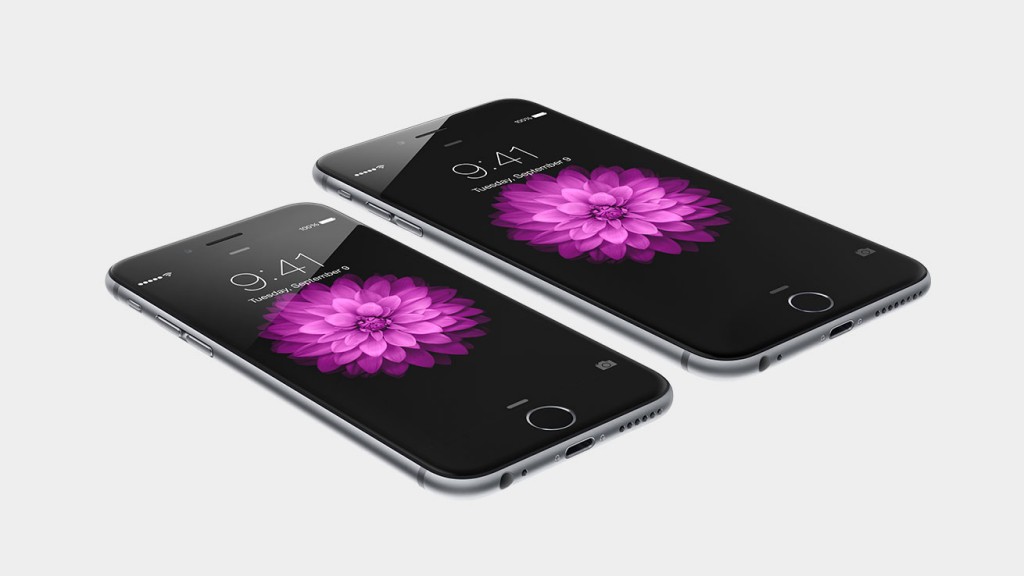
Apple unveiled two new flagship iPhones: the iPhone 6 and iPhone 6 Plus. As we’d seen in leaked images over the last few months before the release, the iPhone 6 sports a new 4.7-inch Retina HD display, has its sleep / wake button moved to the right spine, and a camera lens that protrudes from the back.
Retina HD Display
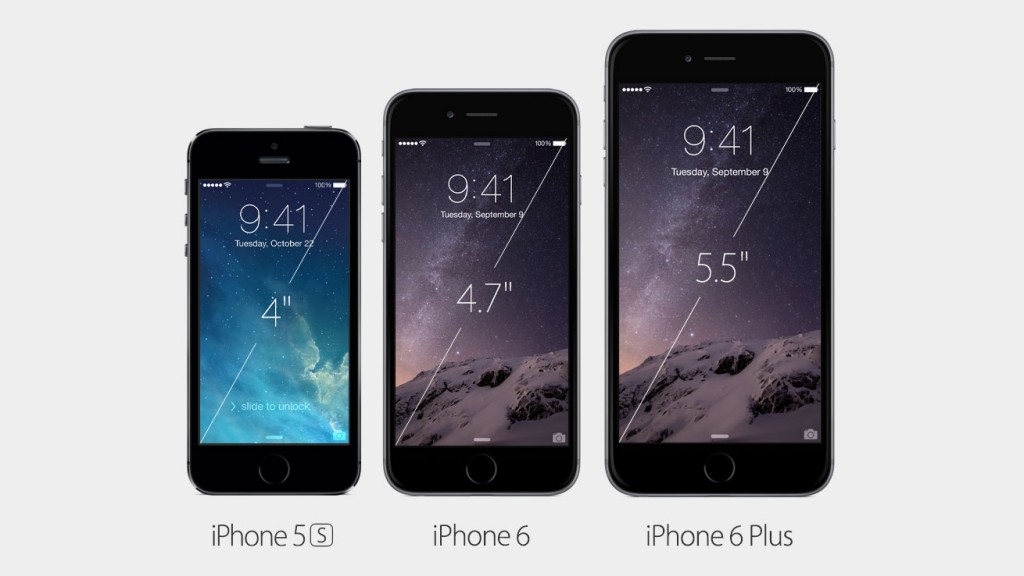
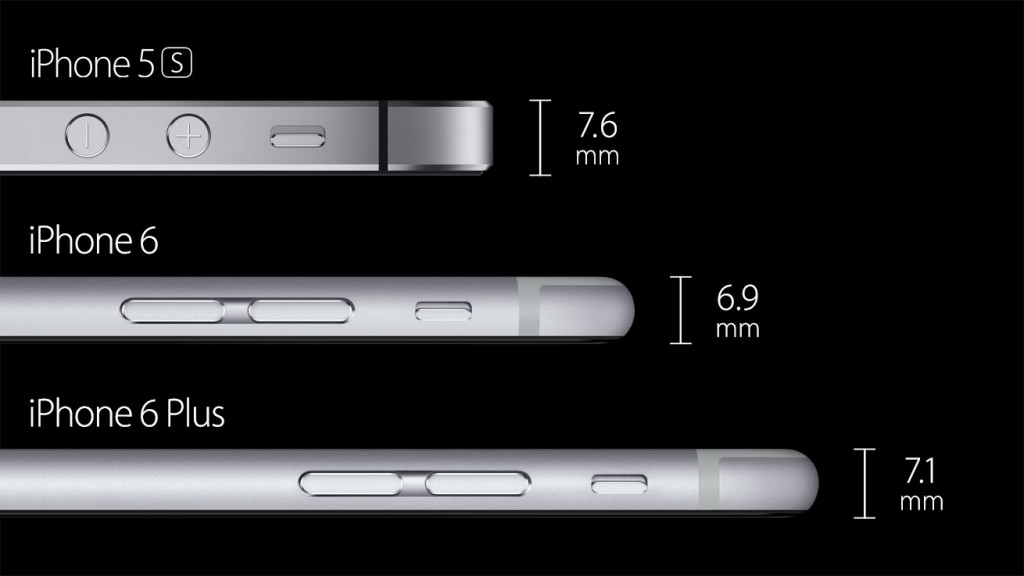
First, let’s talk about the key new features we’ve all been waiting for. The iPhone 6′s 4.7-inch Retina HD display is 1334 x 750 pixels, while the iPhone 6 Plus brings a full 1920 x 1080 resolution at 5.5-inches. There are slight variations in thickness between the two; iPhone 6 measures in a 6.9 mm thin and iPhone 6 Plus measures in at 7.1 mm, both of which shave off a considerable amount from last year’s iPhone 5s.
Focusing specifically on the iPhone 6 Plus, with it’s larger 5.5-inch display, Apple has taken full advantage of all the extra screen real estate to provide new, horizontal layouts for many of its own apps, including the home screen. In your ‘Messages’ and ‘Email’ apps, rotating the iPhone 6 Plus to landscape mode will show the contents of the message you’re currently viewing, as well as your threaded inbox on the left (almost exactly like landscape mode on iPad).

While some early reports had suggested we’d see Sapphire used for the iPhone cover glass this year, Apple has actually opted to use an ion-strengthened glass instead.
Processing Power and Sensors
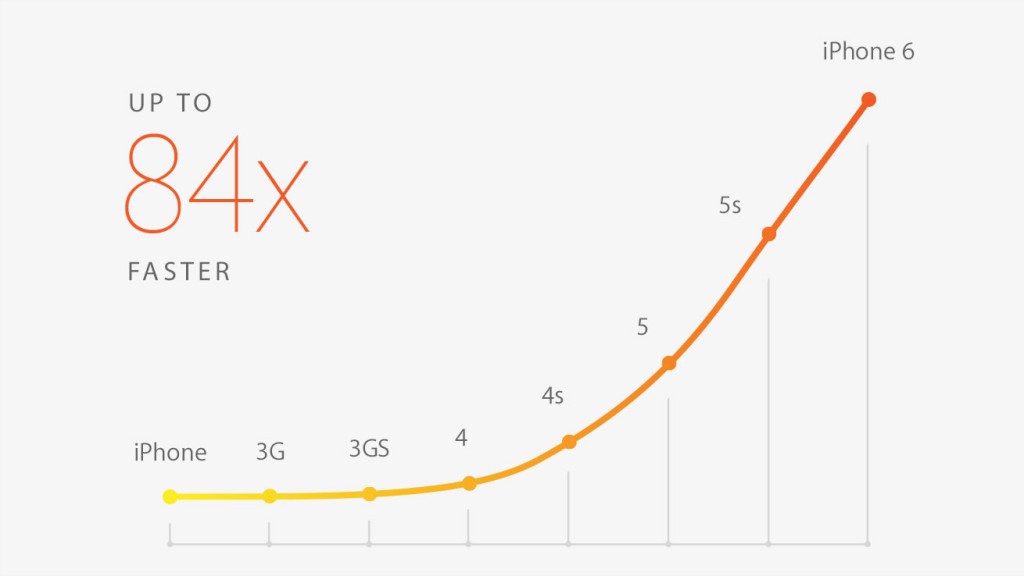
The iPhone 6 and iPhone 6 Plus brings with them a new Apple-designed A8 System on a Chip (SoC). The company claims it’s 50 times faster than the original iPhone, and 84 times faster with graphics processing.
iSight Camera
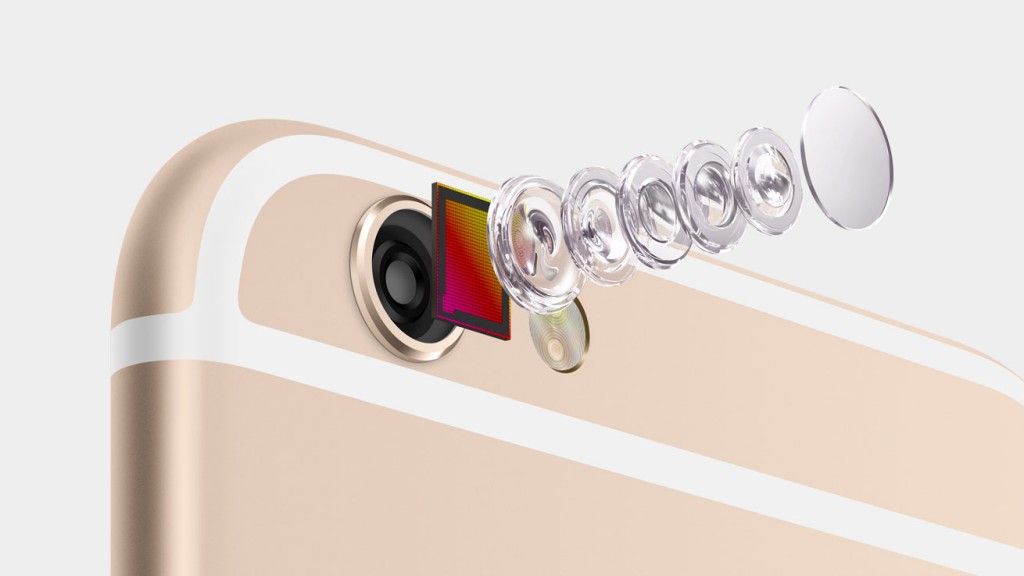
Instead of bumping the amount of megapixels and participating in that marketing gimmick like other manufacturers, Apple chose to make other improvements to other part of the iSight camera system. The iPhone 6 and iPhone 6 Plus both hold steady at 8 MP, but boost individual pixel size to 1.5 microns. This will help tremendously in low-light situations, which is what we’ve seen other manufacturers like HTC do with their UltraPixel camera system.
Also, for the first time, iPhone 6 and iPhone 6 Plus use a phase detection autofocus system, which is typically found in high-end DSLR cameras. It’s said to cut focus time in half, which ensures when you fire off a series of action photos, you’ll get the best shot. Both new iPhones also retain the same f/2.2 aperture as the iPhone 5s.
Last, but certainly not least here, is the introduction of Optical Image Stabilization. In previous iPhone models, Apple took advantage of the built-in gyroscope to help cut down on camera shake. This go-round (and part of the explanation for the protruding camera lens on the back), the company opted to take things to the next level and include OIS on the iPhone 6 Plus for much better low-light performance. This photo was taken with the iPhone 6 Plus. Sadly, OIS isn’t available on the 4.7-inch iPhone 6.

On the video side, both new iPhones record up to 240 fps slow-mo video, which is double the frame rate of last year’s iPhone. Part of the big jump here is found in Apple’s own video encoder, which makes that possible.
NFC and Mobile Payments
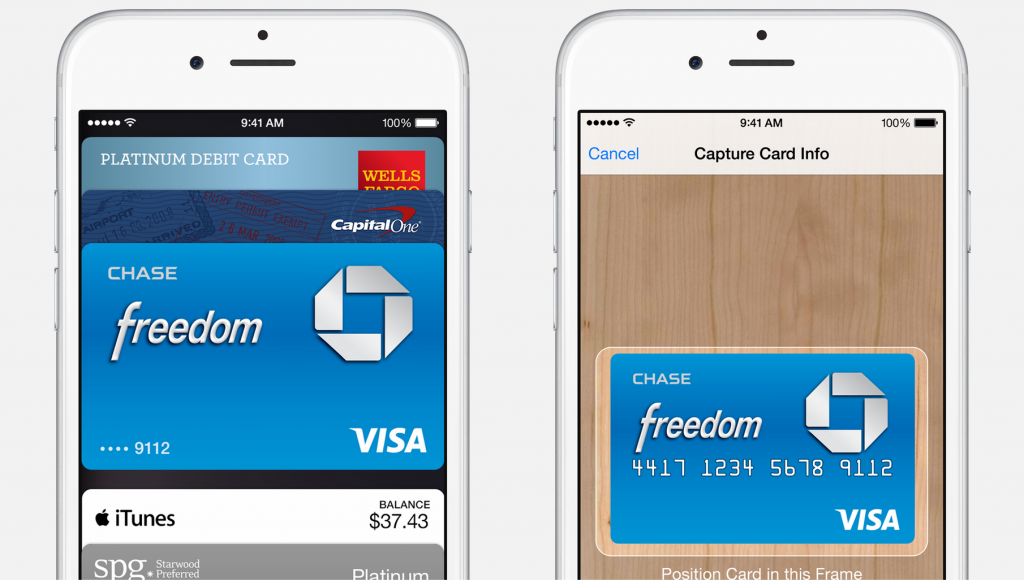
While competing Android phones have included NFC chips and Google Wallet for quite some time now, Apple opted to get the technology and implementation right first before entering the payments space.
Instead of just integrating an NFC chip and calling it good, Apple did that with the iPhone 6 and iPhone 6 Plus, but also went further to support the mobile payments ecosystem. The company has partnered with leading retailers, both traditional and online, to make Apple Pay available where consumers already shop. They’ve also partnered with American Express, Visa, and MasterCard, as well as a dozen of the top consumer banks in the U.S., which collectively account for 84% of credit and debit card payments.

